The Evolution of Worker Rights: Lessons from History
Oliver Hayes ·
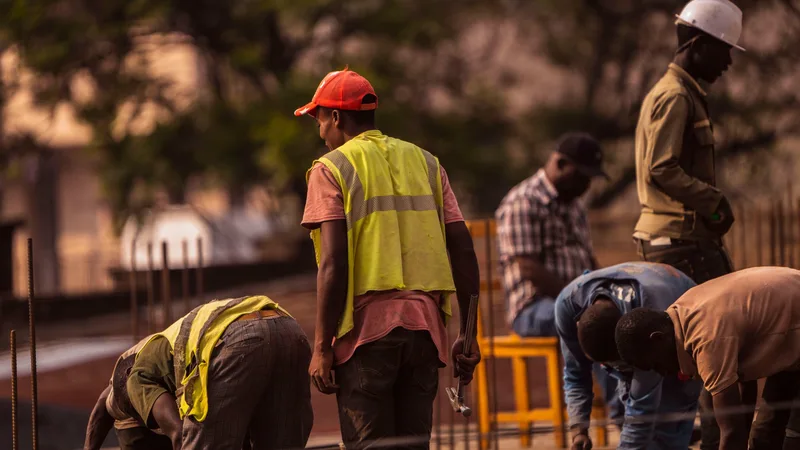
The struggle for workers' rights has shaped our society in profound ways. From the labor movements of the early 20th century to the ongoing fight for fair wages and working conditions, history…
Historical Context of Workers' Rights
Understanding the historical context of workers' rights is essential in appreciating the social changes that have taken place over the years. The evolution of labor movements reflects the struggles and triumphs of those who fought for fair treatment in the workplace. From the early days of industrialization to the present, various events have marked significant turning points in the quest for equity and justice for workers. These milestones shaped labor laws and influenced how industries operate today
Key Milestones in Labor Movements
Throughout history, pivotal moments have defined the labor movement. The establishment of the eight-hour workday in the late 19th century was a significant achievement that underscored the importance of work-life balance. The rise of unions, particularly in the early 20th century, empowered workers to demand better wages and working conditions. Each of these milestones reflects a growing awareness of workers' rights, laying the groundwork for ongoing social change that resonates in modern sectors, including the world of iGaming.
The Role of Legislation
Legislation has played a crucial role in the protection of workers throughout history. Laws such as the Fair Labor Standards Act and Occupational Safety and Health Act have established standards that ensure worker safety and fair compensation. Over time, these legal frameworks have adapted to address the evolving nature of work, including the rise of technology and remote employment. This adaptability is evident today in industries like casino entertainment, where digital platforms are changing employment and worker rights.
Lessons Learned from Past Struggles
Reflecting on the lessons learned from past struggles offers valuable insights into the ongoing fight for workers' rights. The experiences of earlier labor movements teach us that solidarity among workers is vital in achieving meaningful change. As we navigate contemporary challenges, these lessons remind us of the strength found in unity. This is particularly relevant in industries such as iGaming, where collective advocacy can drive positive reforms and enhance working conditions for all involved.
The Importance of Solidarity
Solidarity has been a cornerstone of successful labor movements throughout history. When workers unite for a common cause, they amplify their voices and increase their chances of effecting change. This unity was evident during strikes and protests, where collective action often led to significant victories. In the context of modern industries like casino entertainment, fostering solidarity among workers can lead to better negotiations for fair wages and improved working conditions, creating an environment where everyone can thrive.
Adaptability in Advocacy
One of the key takeaways from past labor struggles is the need for adaptability in advocacy. As the workforce evolves, so too must the strategies employed to protect workers' rights. Innovative approaches to organizing and mobilizing can make a significant difference in achieving goals. In the iGaming sector, for example, as the environment changes with technology, workers must remain agile and responsive to new challenges, ensuring their rights are safeguarded.
Current State of Workers' Rights
The fight for workers' rights has seen significant shifts over the years, but contemporary issues remain pressing. In various sectors, workers are grappling with challenges such as wage stagnation, job security, and the rise of precarious employment. These obstacles affect the economic stability of individuals and have broader implications for families and communities. Understanding these dynamics is crucial for anyone interested in social change and the evolution of labor movements.
Contemporary Issues Facing Workers
Today’s workforce confronts challenges that threaten their rights and livelihoods. Many employees are dealing with the gig economy, which often lacks the protections enjoyed by traditional workers. Issues like unpaid overtime, insufficient health benefits, and unsafe working conditions are becoming increasingly common. In this context, collective bargaining and union representation play vital roles in advocating for fair treatment and equitable pay, highlighting the ongoing struggle for workers' rights.
Ongoing Campaigns and Movements
Current campaigns aimed at improving workers' rights demonstrate a commitment to social justice. Grassroots movements are emerging, focusing on issues like living wages and workplace safety, often fueled by social media's ability to mobilize support quickly. Organizations are pushing for legislative changes that protect workers, such as advocating for minimum wage increases and better labor laws. The continued engagement of activists and communities is essential to sustain momentum and effect real change in the workforce.
The Intersection of Workers' Rights and Entertainment
As we explore the intersection of workers' rights and the entertainment industry, it becomes clear that these two areas are deeply interconnected. The gaming industry, including iGaming and casinos, presents unique challenges for workers that merit closer examination. Labor conditions in this sector often reflect broader societal issues, making it imperative to understand how workers' rights impact the experiences of employees in gaming environments. This intersection offers valuable insights into the relationship between labor and leisure.
Labor Conditions in the Gaming Industry
Workers in the gaming industry face distinct challenges that highlight the complexities of labor rights within entertainment. Many casino employees are subject to irregular hours and varying wages, which can lead to financial instability. Additionally, the increasing reliance on technology in iGaming raises concerns about job security and the need for new skills. Organizations advocating for workers’ rights in this sector are essential in pushing for better conditions and fair compensation for all employees.
Impact of Worker Rights on Casino Entertainment
The influence of workers' rights on casino entertainment cannot be underestimated. When employees are treated fairly and their rights respected, it leads to a more engaged and productive workforce, ultimately enhancing the customer experience. Conversely, poor labor conditions can result in high turnover rates and dissatisfaction among staff, negatively affecting patrons. Understanding this relationship is vital for anyone interested in both the evolving nature of workers' rights and the dynamics of the gaming industry.
The Role of Technology in Worker Advocacy
Technology has fundamentally transformed worker advocacy, providing new avenues for mobilization and communication. In recent years, digital platforms have emerged as powerful tools for organizing, allowing workers to connect, share resources, and rally around common causes. This shift towards virtual spaces has made it easier to coordinate actions and amplified the voices of workers who might otherwise remain unheard. Technology presents both opportunities and challenges for labor rights.
Digital Platforms for Organizing
Digital platforms have revolutionized how workers organize and advocate for their rights. Social media channels, messaging apps, and dedicated organizing websites have become essential for raising awareness, sharing experiences, and coordinating collective actions. These tools allow workers from different sectors to unite based on shared experiences, whether they are in retail, healthcare, or even the iGaming industry. The immediacy of digital communication enables quick responses to issues, fostering a sense of solidarity among workers that can lead to significant social change.
The Future of Worker Rights in a Digital Age
As we look to the future, the implications of technology for labor rights are profound. The digital age presents challenges, such as surveillance and data privacy concerns, and opportunities for greater empowerment and engagement among workers. The potential for online platforms to facilitate cross-industry collaboration is particularly exciting, suggesting that new alliances could form to advocate for improved working conditions. In industries like iGaming, where technology plays a crucial role, the commitment to fair labor practices could set a precedent for other sectors, ultimately shaping a more equitable future for all workers.
Looking Ahead: The Future of Workers' Rights
As we consider the trajectory of workers' rights, it is clear that the landscape is evolving rapidly. Emerging trends in labor movements indicate a shift towards greater inclusivity and adaptability in advocacy efforts. Workers are leveraging technology to highlight issues such as wage disparity, job security, and workplace safety. This evolution is not just a response to current conditions but is also a proactive step towards redefining what workers expect from their employers, signaling a new era of labor rights that is dynamic and responsive to the needs of the workforce.
Emerging Trends in Labor Movements
New directions in labor advocacy are becoming evident, driven by the unique challenges posed by the modern economy. Workers are increasingly focusing on intersectionality, recognizing that issues such as race, gender, and economic status are interconnected in the fight for rights. This holistic approach encourages solidarity across different sectors and demographics, ultimately strengthening the collective voice of workers. With the rise of gig economies and remote work, there is a growing demand for protections that adapt to these changes, ensuring that all workers receive fair treatment and compensation, regardless of their employment status.
The Role of the iGaming Sector in Shaping Future Rights
The iGaming sector has the potential to play a significant role in shaping the future of workers' rights, particularly as it continues to grow in popularity and influence. With its reliance on technology and innovation, the industry can set a standard for labor practices that prioritize worker welfare. By adopting fair labor policies, providing comprehensive training, and ensuring safe working environments, the iGaming sector can become a leader in advocating for improved conditions across all industries. The commitment to ethical practices benefits employees and enhances the industry's reputation, encouraging a culture of respect and responsibility that could inspire broader social change.