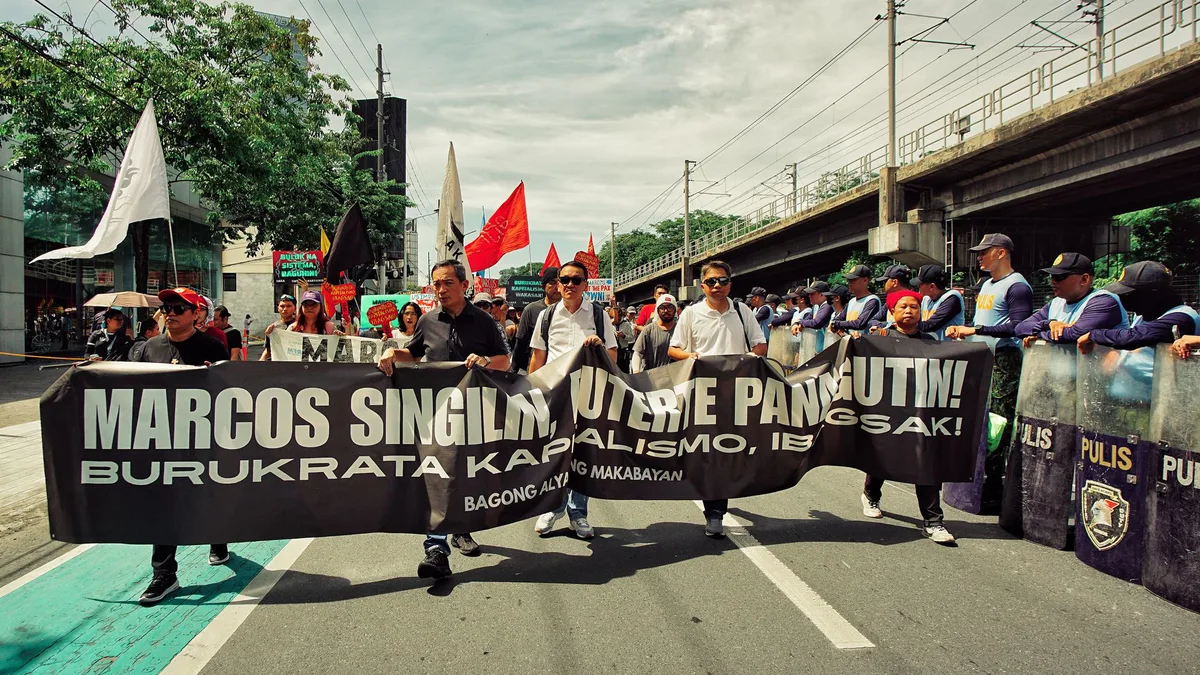
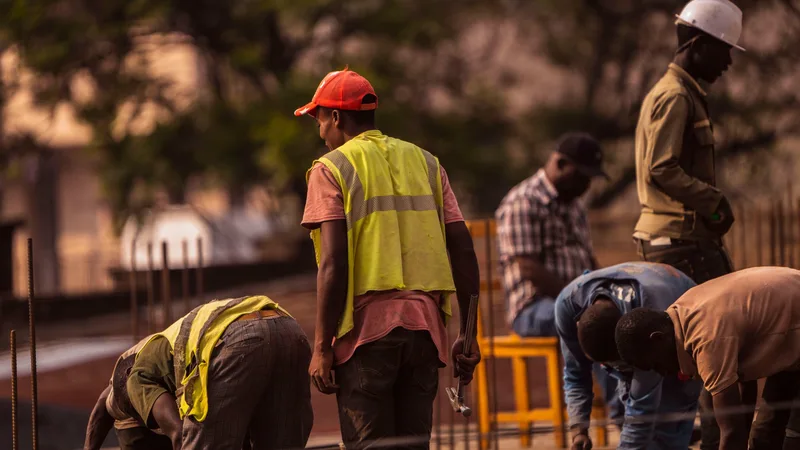
The fight for workers' rights has been a cornerstone of social progress, with communities across the globe rallying for change. As we explore the evolving nature of labor laws and employee benefits, we must remain vigilant in our pursuit of equity and justice in the workplace
While the movement continues to gain momentum, many believe that simply advocating for better wages and hours is enough. However, this perspective often overlooks the broader implications of worker empowerment and the role of community support in effecting real change.
Understanding the Current State of Workers' Rights
Workers' rights have seen significant evolution over the past few years, with numerous legislative changes shaping labor relations. This transformation has been fueled by a growing awareness of the importance of fair treatment and equitable pay. As communities rally behind these causes, the push for change becomes more pronounced. Understanding these changes is crucial for both workers and employers as they navigate the complex dynamics of the workforce.
Recent Legislative Changes
Key laws introduced in recent years have had a profound impact on workers' rights, addressing issues such as wage theft, workplace safety, and discrimination. The implementation of minimum wage increases in various states has provided a much-needed boost for low-income workers, helping them secure a better standard of living. Additionally, policies promoting paid family leave have gained traction, allowing employees to balance work responsibilities with personal needs. These legislative strides reflect a growing acknowledgment of the critical role that workers play in the economy, reinforcing the need for protections that support their well-being.
Community Initiatives
Grassroots movements have emerged as powerful advocates for workers' rights, with local organizations championing the cause in their respective communities. These initiatives often focus on raising awareness about labor issues and mobilizing support for policy changes that benefit workers. By organizing events, rallies, and educational workshops, these groups empower individuals to take action and demand fair treatment in the workplace. Solidarity cultivated through these community efforts strengthens the fight for workers' rights and fosters a culture of collective responsibility that resonates throughout society
The Importance of Collective Bargaining
Collective bargaining remains a cornerstone of workers' rights, providing a structured framework for negotiating better terms of employment. Unions play a vital role in this process, representing workers in discussions with employers to secure fair wages, benefits, and working conditions. As the landscape of labor relations continues to evolve, the significance of collective bargaining is evident. It serves as a critical tool for empowering workers, ensuring their voices are heard and their rights protected.
Benefits of Union Membership
Union membership offers numerous advantages, equipping workers with the collective power to negotiate more favorable conditions. Members often benefit from higher wages, improved health benefits, and enhanced job security compared to their non-unionized counterparts. Additionally, unions provide essential support during disputes with employers, ensuring that workers have a strong advocate by their side. This collective effort fosters a sense of community among members, reinforcing the idea that together, they can achieve meaningful change in their workplaces.
Challenges Faced by Unions
Despite the benefits, unions face significant challenges in today's labor environment. Anti-union sentiment and legislation in some regions have created obstacles for organizing efforts, making it more difficult for workers to come together. Additionally, the rise of gig economy jobs has complicated traditional notions of employment, leaving many workers without the protections that unions typically provide. As unions navigate these obstacles, the need for innovation and adaptation has never been more critical to ensure they continue to serve the interests of workers effectively.
The Role of Public Perception in Workers' Rights
Public perception is a powerful force in shaping the landscape of workers' rights. When communities are informed and engaged, they can advocate for better conditions and fair treatment in the workplace. The media plays a crucial role in this process, bringing labor issues to light and helping the public understand the challenges workers face. As we navigate these discussions, it’s essential to recognize how they intertwine with other aspects of community life, including economic opportunities that could arise from a thriving local entertainment scene
Media Influence
Media coverage significantly shapes public understanding of labor issues, influencing both opinion and action. When journalists highlight struggles faced by workers, they can galvanize support and prompt local activism. Investigative pieces often reveal injustices that might otherwise go unnoticed, fostering awareness among community members. This can lead to increased scrutiny of businesses, including those in the iGaming sector, where labor practices can sometimes be overlooked in favor of profits.
Community Awareness Programs
Promoting education on workers' rights through community awareness programs is essential for fostering a knowledgeable and supportive local environment. These initiatives often include workshops, seminars, and outreach efforts that inform residents about their rights and the importance of fair labor practices. Engaging the community in conversations about workers' rights not only empowers individuals but also strengthens solidarity across various sectors, including gambling and entertainment. As more people become informed, they can make conscious choices about where to spend their money, supporting businesses that prioritize ethical labor practices.
Connecting Community Support with Economic Opportunities
Community support is pivotal in creating economic opportunities that benefit both workers and local businesses. When residents rally around companies that prioritize workers' rights, they help establish a culture of accountability that can lead to better working conditions and more sustainable practices. This creates a ripple effect, as businesses committed to ethical labor practices can attract more customers and foster loyalty in their communities. The intersection of community support and economic growth is especially relevant in the context of casinos and iGaming, where a strong local presence can enhance the customer experience and drive revenue.
Local Business Engagement
Supporting businesses that prioritize workers' rights is not just an ethical choice; it's a strategic one that can lead to long-term economic benefits. Local businesses that engage with their communities and uphold fair labor practices often see increased patronage and loyalty. As consumers become more discerning about where they spend their money, businesses in the gambling sector that demonstrate a commitment to workers' rights can stand out in a crowded marketplace. This connection between ethical practices and consumer behavior can help improve the entire community's economic prospects.
Workplace Transparency
Encouraging companies to disclose labor practices and conditions is essential for fostering trust and accountability. Transparency allows consumers to make informed choices about the businesses they support, particularly in industries like gambling where practices may be less visible. By demanding clearer communication from businesses, community members can hold them accountable for their labor practices and advocate for improvements. This focus on transparency not only benefits workers but also enhances the overall reputation of the local economy, making it more attractive for both residents and visitors alike.
The Intersection of Workers' Rights and Economic Activities
As we navigate through the evolving state of workers' rights, it becomes increasingly clear that economic policies play a significant role in shaping labor markets. Recent changes in legislation have led to a more flexible workforce, but they also raise questions about job security and fair compensation. The balance between protecting workers and encouraging economic growth is delicate. Understanding how these policies impact workers is crucial for fostering a fairer society.
Impact of Economic Policies on Workers
Changes in economic policy can dramatically alter the employment opportunities available to workers. For instance, minimum wage adjustments and labor regulations directly influence job availability and worker rights. When governments implement pro-labor policies, we often see a rise in job security and benefits, but the opposite can also be true. As workers advocate for their rights, it's essential to consider how these policies affect not just their livelihoods but the broader community's economic health.
The Rising Popularity of Alternative Income Streams
The gig economy has emerged as a viable alternative for many seeking flexibility in their work lives. With ride-sharing apps and freelance platforms gaining traction, traditional employment structures are being challenged. Workers are increasingly turning to these alternative income streams to supplement their earnings, especially in times of economic uncertainty. This shift provides financial relief and opens doors to new forms of entertainment, such as online gaming, where individuals can unwind while potentially earning additional income.
The Evolution of Entertainment and Leisure Options
As our understanding of workers' rights continues to evolve, so do the ways in which individuals choose to spend their leisure time. The demands of modern work life mean that finding effective ways to relax and recharge after a long day has become more important. Many workers now prioritize activities that allow them to escape from daily stressors, leading to a surge in various forms of entertainment. These changes in leisure preferences can significantly influence the economy, particularly as new opportunities arise in the gaming sector.
Shifting Trends in Leisure Activities
In a fast-paced environment, how we choose to unwind reflects broader societal trends. More workers are seeking engaging activities that provide a break from the grind, whether through social gatherings or personal hobbies. This desire for relaxation reshapes the entertainment landscape, pushing local businesses to adapt to these new demands. As workers increasingly turn to enjoyable pastimes, the gaming industry has become a prominent player in meeting these needs, offering both fun and the chance to win.
Emergence of Online Gaming Platforms
The rise of online gaming platforms has transformed the way we think about leisure and economic opportunities. These platforms not only provide entertainment but also present avenues for players to earn money, blurring the lines between work and play. As more individuals engage with browser slots and other games, the gaming industry capitalizes on this trend, creating a dynamic space where leisure and potential income intersect. This evolution reflects a broader cultural shift, as workers embrace new forms of entertainment that resonate with their lifestyles and aspirations.